Playground Design Ideas for Schools
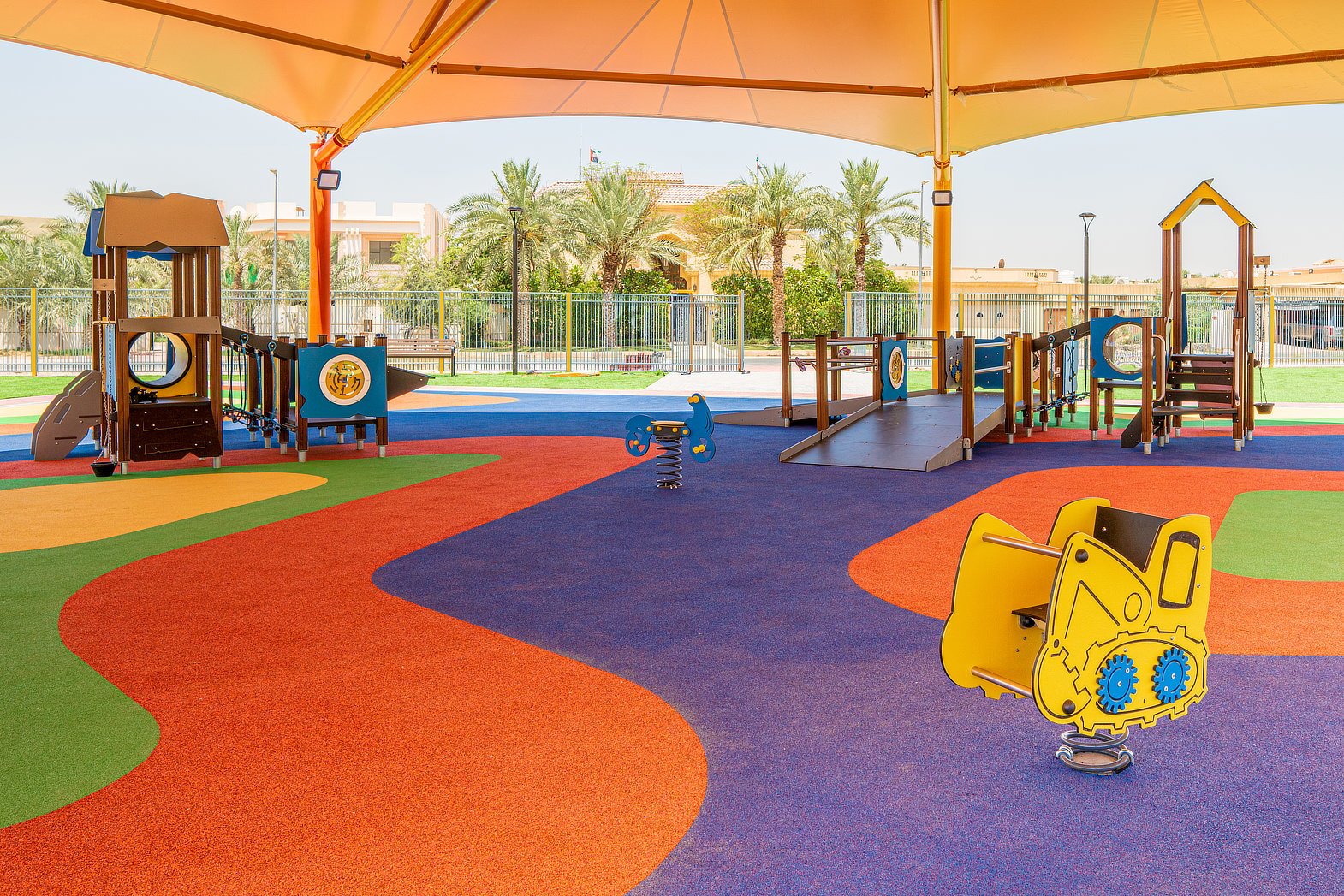
Good playground design starts by dividing your outdoor space into zones for different kinds of play, then matching the equipment, surfacing and markings to how each age group actually uses it. The best schemes are not a catalogue of equipment dropped onto tarmac; they are a plan that balances active, quiet, imaginative and social play, works in all weathers, and includes every child. Whether you are refreshing a tired corner or designing a whole site, a few clear principles will get you a space children love and staff can manage.
Where do you start with playground design?
Start with how you want the space used, not with the equipment, because the activities you want to support should drive every other decision. Walk the site with the people who use it and ask: which year groups play here and when, what is missing at break times, where do the sun and shelter fall, and how does water drain? Note the fixed constraints (access, boundaries, services) and the opportunities (a bank to build into, a quiet corner, an existing tree). From there you can plan zones and a phased budget. A free site visit and design service, like ours, turns those observations into a scaled plan and a fixed quote before you commit.
How do you zone a playground?
Zoning means giving each type of play its own defined area so activities do not clash and every child can find the play they need. A simple, effective set of zones is:
- Active zone: climbing, swinging, balancing and ball games, sited away from doorways and quieter areas.
- Quiet zone: seating, shade and calming space for talking, reading or simply resting.
- Imaginative zone: role-play structures, dens and stages that spark stories.
- Natural or sensory zone: planting, water, tactile trails and textures.
Clear routes and changes of surface or colour help children read the space and move safely between zones.
Design ideas for active play
Active play design should offer a graded range of physical challenge so children of different ages and confidence can all find something to stretch them. Climbing frames and towers, linked trim trails, balance features and nest swings build strength, coordination and the ability to judge managed risk. For older pupils, a multi-use games area or outdoor gym adds team sport and fitness. Group active play into a clear zone with the right safety surfacing beneath, matched to each item's fall height, so the area is both challenging and safe. Browse options on our play equipment page.
Design ideas for quiet and imaginative play
Not all play is loud and physical, and designing in quiet and imaginative spaces makes a playground work for every child. A covered canopy or shelter creates an all-weather spot for talking, reading or outdoor lessons, while seating and story circles give children somewhere to gather and rest. Imaginative features such as play boats, castles, mud kitchens and small stages, part of our themed play range, prompt the cooperative, narrative play that builds language and empathy. A calm corner also gives children who find busy playtimes overwhelming a place to regulate.
Design ideas for inclusive and sensory play
An inclusive playground is designed so that every child can play alongside their friends, not in a separate area, so accessibility should run through the whole scheme rather than being bolted on. Step-free, seamless surfacing lets wheelchair users move freely, and ground-level or wheelchair-accessible equipment such as inclusive roundabouts and supportive swings lets everyone join in. A dedicated sensory zone with tactile, visual and auditory features supports children who need stimulation or calm, and thoughtful SEN and inclusive play equipment makes sure the design works for the widest range of needs.
How do markings and surfacing shape the design?
Markings and surfacing are two of the most cost-effective design tools you have, because they add colour, structure and activity to a space you already own. Thermoplastic playground markings, number grids, hopscotch, sports courts, roadways and trails, turn plain tarmac into active learning and games for a fraction of the cost of new equipment. Surfacing shapes the design too: colour and graphics zone the space visually, while the material, whether wet pour, rubber mulch or artificial grass, sets the look, the drainage and the fall protection under equipment.
Designing a playground on a budget
A great playground does not have to be built in one go, and phasing is the key to designing well on a limited budget. Agree a masterplan for the whole space, then deliver it in stages as funding allows, so each phase adds to a coherent design rather than a set of disconnected purchases. Prioritise the changes that unlock the most play, often surfacing and markings, which are relatively low-cost and high-impact, and keep an eye on funding routes such as PE and sport premium or grants. Our team can help you plan a phased scheme and a realistic budget.
Every good playground starts with a plan. Our team offers a free, no-obligation site visit, design and fixed quote to help you turn these ideas into a space that fits your pupils, your site and your budget. See real projects in our case studies, or get in touch to arrange a visit.
Related questions
How much does a school playground cost?
It varies widely with size, equipment and surfacing, so the most reliable figure comes from a free site visit and fixed quote. Many schools phase a masterplan over time, and low-cost, high-impact changes such as markings and surfacing are a good place to start.
How do you make a playground inclusive?
Design accessibility into the whole scheme rather than a separate area: seamless step-free surfacing, ground-level and wheelchair-accessible equipment, and a sensory zone. The aim is for every child to play alongside their friends across the space.
What is the best playground surface?
There is no single best surface; the right one matches your equipment's fall height under BS EN 1177 and your needs for drainage, access and budget. Wet pour, rubber mulch and artificial grass are common choices, each with different strengths.
How do you design a playground on a budget?
Agree a masterplan for the whole space, then deliver it in phases as funding allows. Prioritise low-cost, high-impact changes such as markings and surfacing first, and use funding routes like PE and sport premium where eligible.
More from the blog
Curriculum Playground Markings: Ideas by Subject Area
Discover thermoplastic playground marking ideas grouped by subject that turn plain tarmac into a durable, everyday resource for learning and active play.
Read articleHow to Plan a School Playground: A Step-by-Step Guide
A practical step-by-step guide to planning a school playground, from auditing your space and setting aims through design, zoning, surfacing and installation.
Read article
What is a MUGA Pitch? Multi-Use Games Areas Explained
A MUGA is a multi-use games area that lets one space host football, netball, basketball and more. Here is what a MUGA is, and how to plan one for your school.
Read article