How to Plan a School Playground: A Step-by-Step Guide
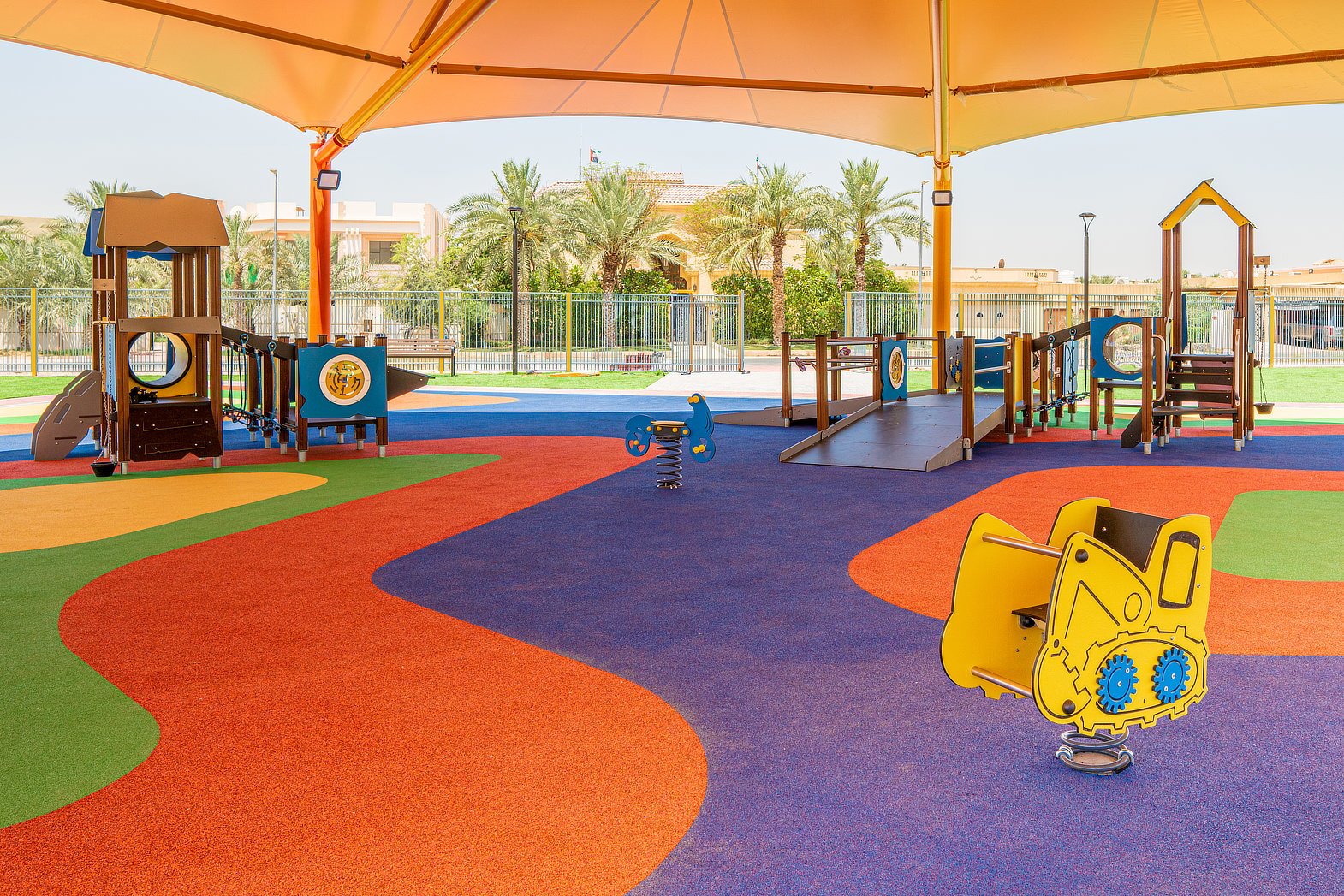
Planning a school playground works best as an eight-stage process: audit the current space and needs, set clear aims, consult pupils and staff, set and phase a budget, design and zone the area, choose equipment and surfacing to British Standards, schedule installation around term times, and arrange handover and ongoing maintenance. Working through these stages in order turns a vague wish list into a costed, buildable scheme that serves your pupils for years.
Start by auditing the current space and how it is used
Begin with an honest audit of what you already have. Measure the footprint, note levels and drainage, and record which areas flood, ice over or bake in the sun. Watch how children actually use the space at breaktimes: where do they gather, where is it congested, and which corners sit empty? Note fixed constraints such as access routes, underground services, boundary walls, trees with protection orders and sightlines from the staffroom. This baseline tells you what to keep, what to remove and where the real opportunities lie.
Set aims across curriculum, wellbeing and play value
Decide what the playground is for before you decide what goes in it. Most schools balance three aims: supporting the curriculum (outdoor lessons, PE, forest-school style learning), improving wellbeing (calm spaces, social seating, sensory interest) and raising play value (physical challenge, imaginative play, cooperative games). Rank these for your setting. A primary school might prioritise imaginative and active play, while a site short of PE provision may lean towards multi-use sports facilities. Clear aims keep every later decision anchored to a purpose.
Consult pupils, staff and the wider school community
Consultation improves the design and builds support for it. Ask pupils what they enjoy and what they avoid through school-council sessions, simple surveys or drawing exercises. Gather staff views on supervision, wet-weather use and behaviour hotspots. Include lunchtime supervisors, who see the space in constant use, and the SENCO so provision works for every child. Governors and parents may also have useful input, particularly around funding. Recording this feedback gives you evidence for decisions and for any grant applications.
Set a realistic budget and phase the work
Establish a total budget early, including groundworks, surfacing, equipment, fencing, drainage and contingency, not just the headline cost of a piece of kit. Groundworks and preparation often account for a large share of an outdoor scheme, so budget for what lies beneath the surface as well as on it. If funds are limited, phase the project: deliver the highest-value zone first, then add further phases as budgets allow. A phased masterplan ensures each stage connects sensibly rather than becoming a disconnected patchwork.
Design the layout and zone the space
A good design divides the playground into zones so different activities coexist safely. Typical zones include active play, quiet and social areas, imaginative or themed play, natural and sensory spaces, and sports. Separate boisterous zones from calm ones, keep clear circulation routes, and position equipment to preserve supervision sightlines. Think about shelter too: a canopy or covered area extends outdoor use across the British weather and supports outdoor teaching year round. Zoning reduces conflict, spreads children across the site and eases congestion.
Choose surfacing and equipment to the right standards
Match surfacing and equipment to each zone, the age group and the relevant standards. Play equipment should be manufactured and installed to BS EN 1176, and impact-absorbing surfacing under and around equipment to BS EN 1177, with the surface specification driven by the critical fall height of the equipment above it. Options for playground surfacing include wet pour rubber, rubber mulch, artificial grass and grass mats, each with different looks, costs and drainage. Choose play equipment that suits the age range and stretches physical, social and imaginative skills. Getting surface and equipment specified together avoids costly compromises later.
Plan installation around term times and school life
Schedule construction to minimise disruption to teaching and keep children safely away from the works. Longer holidays, particularly summer, suit larger groundworks and surfacing, while smaller items can be fitted during shorter breaks. Agree phasing, site access, hoarding and welfare arrangements with your installer in advance, and confirm how deliveries will reach the site without crossing busy pupil routes. Building this timeline early prevents clashes with exams, sports days and the school calendar.
Arrange handover, inspection and ongoing maintenance
A playground is a long-term asset that needs care from day one. On completion, obtain the post-installation inspection, product documentation and any warranties, and put a routine inspection regime in place: daily visual checks, more detailed operational checks through the year, and an annual independent inspection. Plan for repairs and maintenance so small issues are fixed before they grow, keeping the space safe, attractive and compliant. Well-maintained playgrounds last longer and protect your investment.
Every good project starts with an honest look at your site and a clear brief. With 25 years' experience and everything handled under one roof, from design and groundworks to surfacing, equipment and installation to BS EN 1176 and BS EN 1177, we can turn your ideas into a costed, buildable plan. Contact us to arrange a free, no-obligation site visit, design and quote, or call 0121 405 0336.
Related questions
How long does it take to plan and build a school playground?
Timescales vary with size and complexity, but allow several weeks for consultation and design and a further period for approvals before construction. Groundworks and surfacing for a larger scheme are commonly scheduled into school holidays. Booking a free site visit early gives you a realistic programme for your specific project.
Do I need planning permission for a school playground?
Many playground improvements fall within permitted development or need no permission, but taller structures, canopies, floodlighting, boundary changes or work near protected trees can require planning approval. It is best to check with your local planning authority early. An experienced designer can advise on likely requirements as part of the design stage.
More from the blog
Playground Design Ideas for Schools
Great playground design starts with zoning your space for active, quiet and imaginative play. Here are practical design ideas for schools, by area and age.
Read article
Curriculum Playground Markings: Ideas by Subject Area
Discover thermoplastic playground marking ideas grouped by subject that turn plain tarmac into a durable, everyday resource for learning and active play.
Read article
What is a MUGA Pitch? Multi-Use Games Areas Explained
A MUGA is a multi-use games area that lets one space host football, netball, basketball and more. Here is what a MUGA is, and how to plan one for your school.
Read article