What is a MUGA Pitch? Multi-Use Games Areas Explained
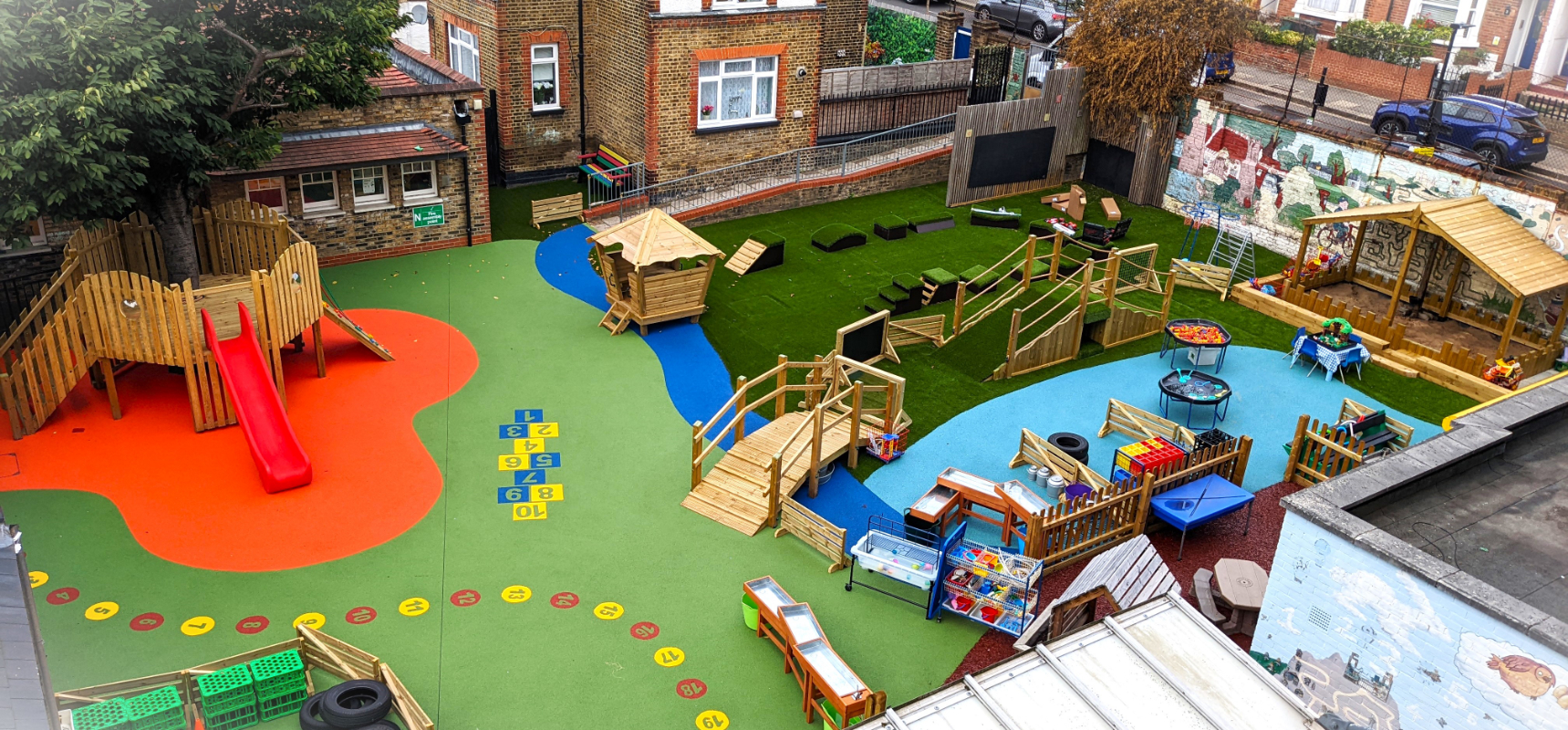
A MUGA, or multi-use games area, is a hard-wearing outdoor space marked out for several sports at once, so a single area can host football, netball, basketball and more without needing separate courts. Most are fenced to keep balls in play, surfaced to drain and perform in all weathers, and line-marked in different colours so each sport has its own clearly defined court. For a school, a MUGA turns one patch of ground into a year-round venue for PE lessons, break-time games, clubs and community hire.
What does MUGA stand for?
MUGA stands for multi-use games area. The name captures the point of it: rather than a single-sport pitch, a MUGA is designed so one space serves many activities. You may also hear them called ball courts, sports courts or all-weather pitches, but the principle is the same, a durable, enclosed area built to take heavy, varied use across the school year.
What sports can you play on a MUGA?
A MUGA can be marked for almost any court or small-sided sport, and most schools choose a combination that suits their curriculum and age range. Common layouts include:
- Football, five-a-side or mini-soccer, with recessed goals
- Netball, with full or modified courts and posts
- Basketball, with wall-mounted or freestanding hoops
- Tennis, short tennis and rounders for the warmer terms
- Hockey and multi-skills for PE lessons and clubs
Because each sport is marked in its own colour, several games can share the same surface without confusion, and staff can switch between activities in seconds.
What size is a MUGA?
MUGA size is set by the sports you want to play and the space you have, and we scale every court to fit the plot rather than forcing a standard footprint. As a rough guide, a compact primary MUGA for mini games might be around 15m by 25m, while a larger area suitable for full netball or five-a-side football is closer to 18m by 33m or more. On a tight site we can angle, reduce or overlap layouts; on a larger one we can add run-off and spectator space. A free site visit is the best way to confirm what will fit.
What surfaces are used for a MUGA?
The right MUGA surface depends on the sports played and the finish you want, and it is chosen alongside the line markings so the two work together. The main options are:
- Polymeric (rubberised) surfacing: a hard-wearing, slip-resistant finish popular for multi-sport use.
- Artificial grass with a shock pad: a softer, all-weather finish that suits football and general play.
- Macadam (tarmac): a robust, budget-friendly base for painted or thermoplastic markings.
All of them drain freely so the court stays usable through wet weather. You can read more on our playground surfacing page.
How much does a MUGA cost?
There is no single MUGA price, because the cost depends on size, surface, fencing and groundworks, and the area and surface specification are the biggest variables. A compact court on sound existing ground costs far less than a large, fully fenced area needing extensive groundworks or lighting. The most reliable way to get a real figure is a free, no-obligation site visit, where we measure up, check the ground conditions and give you a clear, fixed quote for exactly what you need. We can also phase a project to spread the cost.
MUGA or court markings: which do you need?
Choose a full MUGA when you want a dedicated, fenced multi-sport venue, and choose court markings when you simply want to add game lines to an existing surface. If your tarmac is sound and you mainly want more from break times and PE, sports court markings are a quick, low-cost way to add netball, football and more. If you want a purpose-built space that keeps balls in, drains in all weathers and stands up to intensive use, a full MUGA with rebound fencing is the better investment. We install both and can advise which fits your goals and budget.
Thinking about a MUGA or a multi-sport space for your school? Our team offers a free, no-obligation site visit, design and fixed quote as part of our sports facilities service. Get in touch to arrange a visit.
Related questions
What does MUGA stand for?
MUGA stands for multi-use games area, a durable, usually fenced outdoor space marked for several sports at once, such as football, netball and basketball, so one area can host many activities.
What is the standard size of a MUGA?
There is no single standard size; a MUGA is scaled to the sports you want and the space available. A compact primary court might be around 15m by 25m, while a full netball or five-a-side area is closer to 18m by 33m or larger. We size each one to fit the site.
Do you need planning permission for a MUGA?
It depends on the location, fence height and any floodlighting. Many ground-level MUGAs with standard fencing fall within permitted development for schools, but taller fencing, lighting or sensitive sites can need permission. We flag anything relevant at the design stage.
How long does a MUGA last?
A well-built MUGA lasts many years. The surface typically performs for 10 to 15 years or more with routine maintenance, and the fencing longer. Choosing the right surface for your use and keeping it clean and repaired protects the investment.
More from the blog
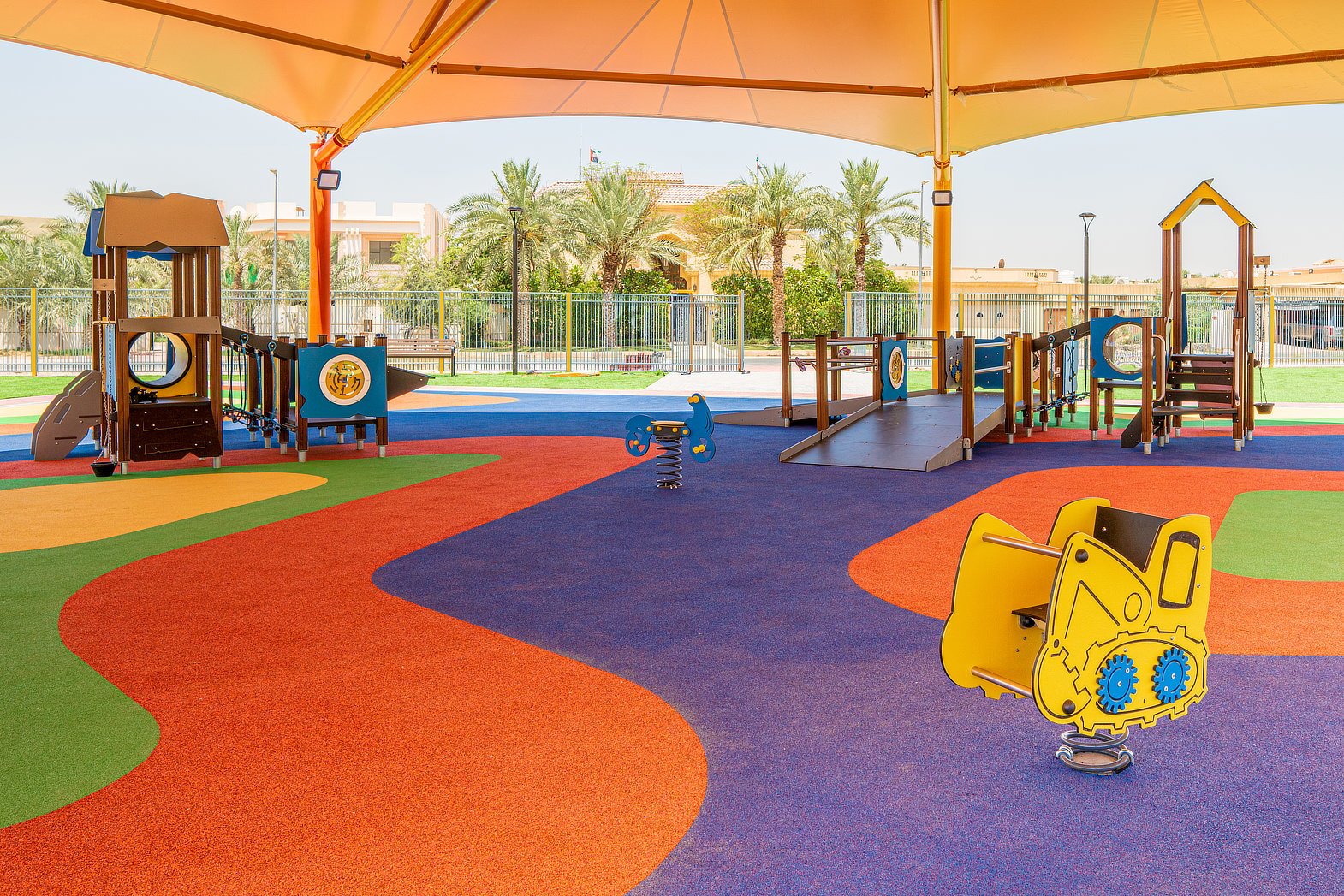
Playground Design Ideas for Schools
Great playground design starts with zoning your space for active, quiet and imaginative play. Here are practical design ideas for schools, by area and age.
Read article
How to Fund a New School Playground: UK Funding Routes
A practical guide to funding a new UK school playground, from capital budgets and the PE & Sport Premium to grants, fundraising and phasing.
Read article
Curriculum Playground Markings: Ideas by Subject Area
Discover thermoplastic playground marking ideas grouped by subject that turn plain tarmac into a durable, everyday resource for learning and active play.
Read article