Safety
Playground Safety Surfacing Explained: How to Choose
Choosing safe playground surfacing means matching it to equipment fall height under BS EN 1177. Compare wet pour, rubber mulch, grass mats and bark.
Read articleSeamless, colourful wet-pour surfacing and a linked agility trail brought a worn KS2 playground back to life and got children moving at every break.
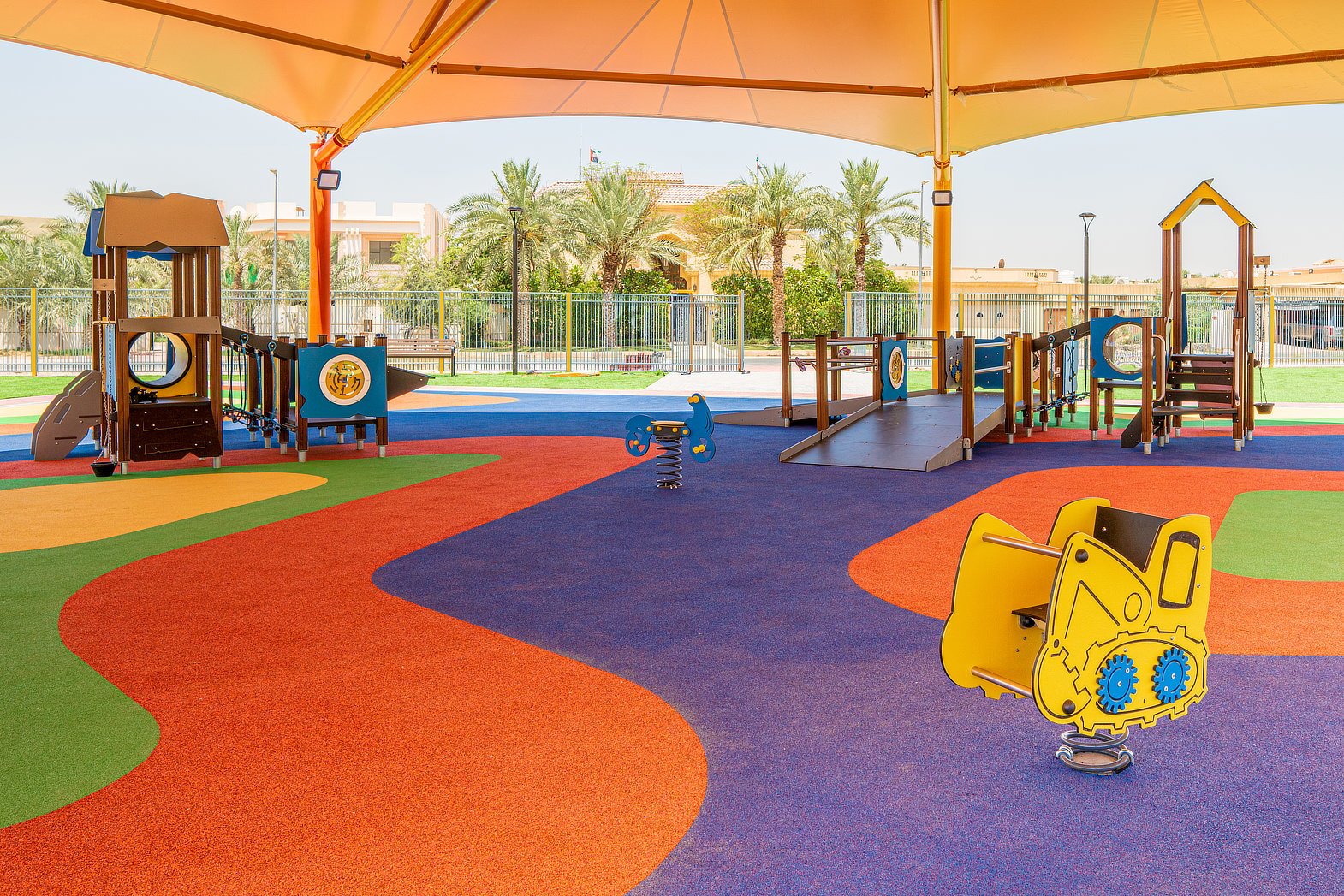
The existing surface had split and worn to a trip hazard, and the equipment no longer challenged older pupils. The school wanted a safe, low-maintenance refresh that maximised active play.
The existing surface had split and worn to a trip hazard, and the equipment no longer challenged older pupils. The school wanted a safe, low-maintenance refresh that maximised active play.
We removed the failing surface, corrected the base and installed seamless wet-pour rubber in the school's colours, its depth matched to the equipment's fall height. A linked trim trail added balance, climbing and agility challenges along the space.
The playground is safe, level and step-free, drains quickly after rain, and gives children a continuous circuit of physical challenge that is used from the first bell to the last.
Choosing safe playground surfacing means matching it to equipment fall height under BS EN 1177. Compare wet pour, rubber mulch, grass mats and bark.
Read article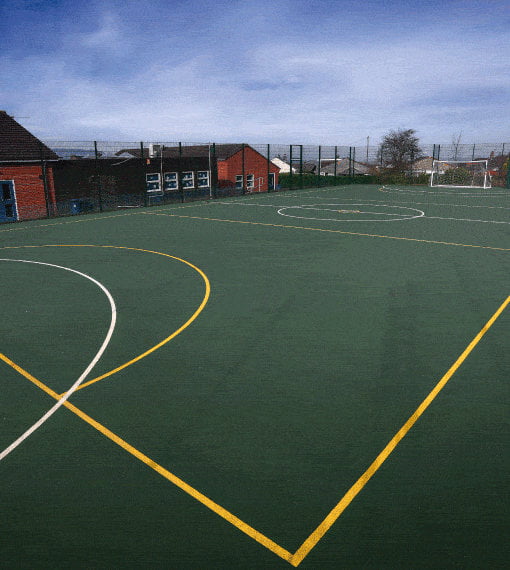
A single fenced court, line-marked for several sports, turned an underused tarmac area into the school's busiest space, from morning clubs to after-school hire.
View project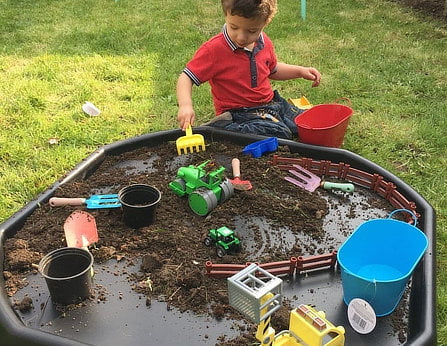
A sensory garden balancing stimulation and calm gave pupils with additional needs a rich, accessible space to explore, regulate and play together.
View project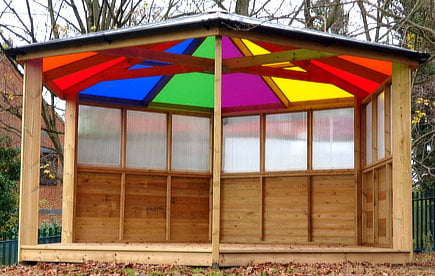
A bespoke canopy turned exposed outdoor space into an all-weather classroom, giving staff a covered area for lessons, dining and wet-play all year.
View projectBook a free site visit and we'll design a space to fit your site and budget.